
If you’ve been thinking about running online Paid Advertising, you’re in good company. More and more businesses are exploring Google Ads and Social Media advertising as a way to reach new customers and grow. But before committing any budget, it’s worth understanding what’s actually involved.
Online paid advertising can deliver real results for the right business at the right time, but knowing what goes into it is the difference between a campaign that works and one that quietly spends money without much to show for it.
Google Ads vs Social Media Ads – What’s the Difference?
The two most relevant channels for most small businesses are Google Search Ads and Social Media Ads, run on Facebook and Instagram (both part of Meta). They serve different purposes and reach people in completely different ways.
Google Search Ads
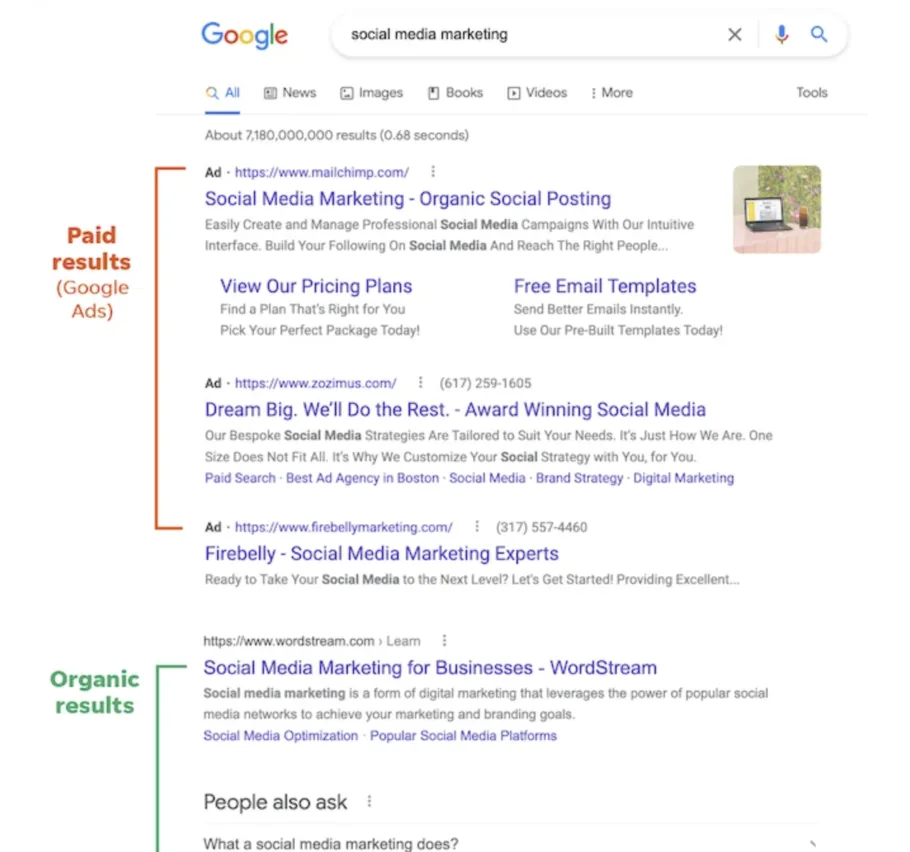
Google Search Ads appear at the top of search results when someone types in a relevant query.
The person is already looking for what you offer.
Your job is to be visible at that moment, with an ad relevant and compelling enough to earn the click.
Social Media Ads
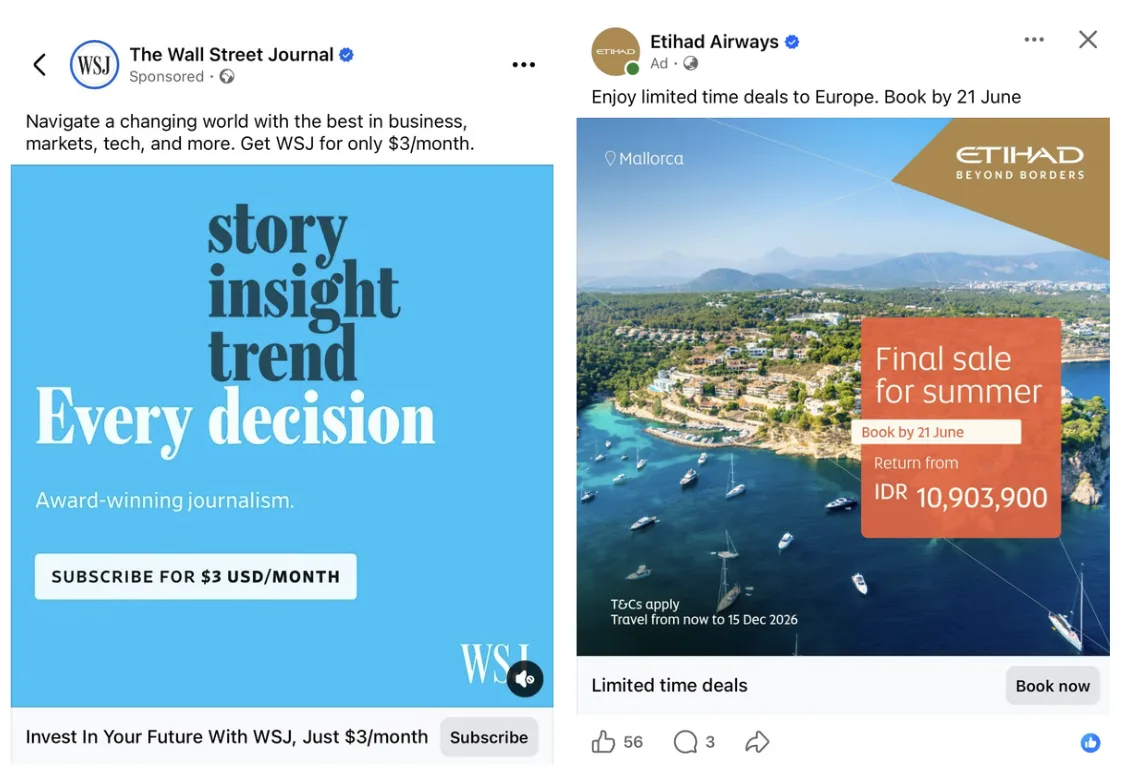
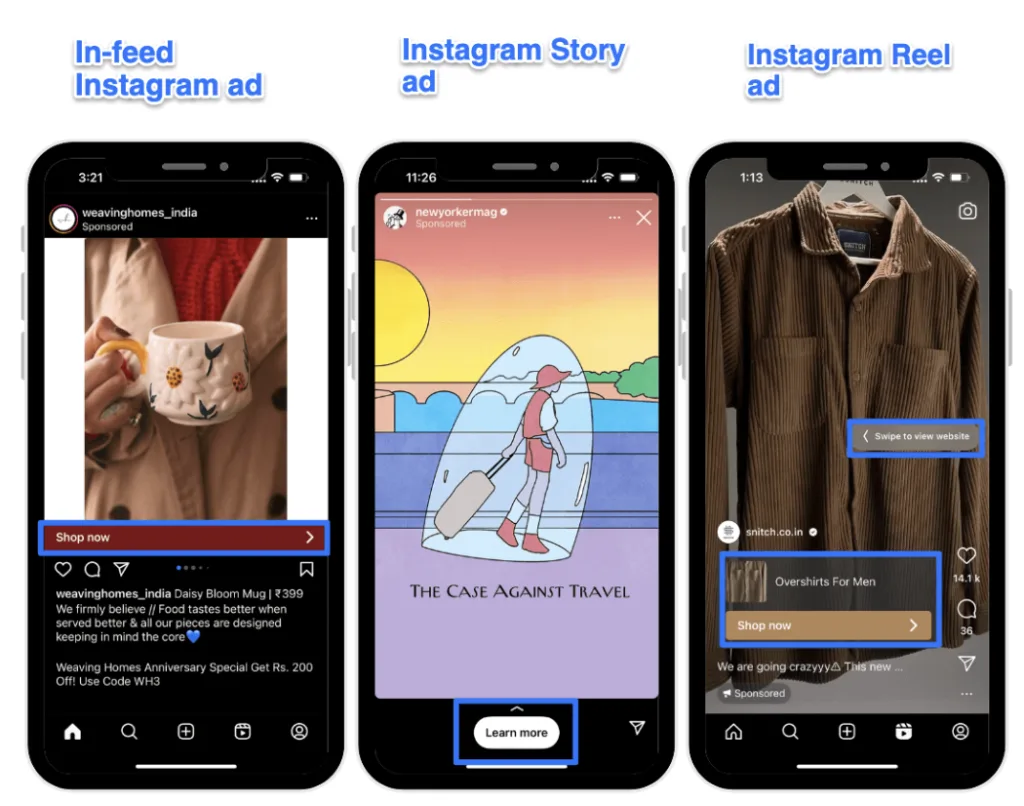
Social Media Ads work differently. Your audience isn’t searching for anything – they’re scrolling through a feed, and your ad appears as they go. Rather than responding to a search, you’re reaching people based on who they are: their interests, demographics, behaviours, or if they’ve previously visited your website.
Google is better suited to capturing demand that already exists.
Social Media is better suited to creating it.
Many businesses use both for their Paid Advertising strategies, but for different purposes and at different stages of the customer journey.
What Actually Makes a Paid Ad Work?
An effective Paid Advertising campaign isn’t just a strong headline or an eye-catching image, though both matter.
Three things need to work together: the creative, the targeting, and the landing page.
The Creative
On Google, the creative is almost entirely text. The headline needs to match what someone searched for closely, communicate your offer clearly, and give a genuine reason to click, all within a tight character limit.
On Social Media, the visual carries most of the weight. A strong image or short video needs to capture attention in a feed full of competing content, before someone has even read a word of your caption.
The Targeting
Targeting works differently across both platforms too. On Google, you’re working with keywords – the specific terms people search for, how broadly or narrowly to match them, and which searches to exclude so the budget isn’t wasted on irrelevant clicks. Here we’re bidding on keywords that customers search for.
On social media, you’re defining an audience from a wide range of variables: age, location, interests, online behaviours, and more. Meta’s algorithm prioritises getting early, positive interactions (likes, clicks, views) to gauge audience fit. If an ad is shown to the wrong audience and nobody engages with it, the system takes note and adjusts. If people do interact with it, the platform looks for more users who behave in a similar way.
The Landing Page
And then there’s the landing page, which is the step that gets overlooked most often.
An ad can be well-written, well-targeted, and visually strong, but if it sends someone to a page that’s slow, confusing, or doesn’t deliver on what the ad promised, the click is wasted.
What to Have in Place Before You Start
Before any Paid Advertising campaign goes live, some groundwork needs to be done:
- A Clear Goal.
- Not just “more business,” but a specific outcome – enquiries, bookings, product sales, calls.
- A Defined Audience.
- Who exactly are you trying to reach? and how specific do you need to be?
- A Strong Offer.
- Why would someone stop and click right now?
- A Landing Page Built for the Campaign.
- Ideally not a generic homepage – a page that delivers on exactly what the ad promised.
- Tracking Set up from Day One.
- This means Google Analytics or Meta Pixel on your website and conversion events configured so the platform knows what a successful outcome looks like.
- A Realistic Budget.
- Both Google and Meta have learning phases where the algorithm figures out who responds best to your ads. If you end the campaign too soon, it never gets the chance to improve, and an underfunded campaign rarely produces reliable results.
There’s More Involved Than It First Appears
Setting up a Google or Meta account and getting an ad live doesn’t take long, and that’s part of the problem. It’s easy to confuse getting started with doing it well.
The real work is in the decisions behind the campaign: which channel suits your goal, how to structure the targeting, how to build and test creative, how to read the data once the campaign is live, and how to respond to what it’s telling you. Those are the decisions that separate campaigns that improve over time from ones that run, plateau, and get switched off.
How We Can Help
That’s where we come in. If you’re considering paid advertising and want to understand whether it’s the right fit for your business, that’s the conversation worth having before any budget is committed. We work with businesses to assess which channel makes sense for their goals, build campaigns with the right foundations in place, and manage the ongoing optimisation so performance improves over time. If you’d like to talk it through, get in touch.
Blog Author: Tom Arden, Online Business Manager – Specialising in Digital Marketing

Tom brings over 8 years of experience in digital marketing, working across a variety of tasks such as reporting/ analytics, social media, copywriting, SEO, paid ads, email marketing and conversion rate optimisation.
During this time, he worked for a marketing agency across many large B2B clients in the energy, manufacturing and professional industries. Alongside this, Tom has worked with multiple freelance clients within the fitness, lifestyle, coaching, SaaS and e-commerce industries
0 Comments