
Understanding Neurodiversity:
An Introduction
At Sycamore Online Business Management, our services are tailored to support neurodivergent business owners and entrepreneurs to drive and grow their businesses through our online business management and coaching services. We recognise, however, that navigating the concept of neurodiversity can be a complex and sometimes overwhelming experience.
For many individuals—whether formally diagnosed, self-diagnosed, or undiagnosed—the journey of understanding their own neurological identity is filled with uncertainties. The realisation of one’s neural expression can feel like a minefield of acronyms, diagnoses, and unfamiliar terminology. How do we know if they apply to us without a piece of paper from a medical practitioner to ‘prove it’?
In recent years, we have seen a growing number of professionals come to understand their own potential neurodivergence through their children’s diagnoses or perhaps recognise their behaviours from explanations on social media. However, stepping into the world of neurodiversity can still feel confusing and intimidating. Questions such as “What does it mean to be neurodivergent?”, “What defines neurotypical?”, and “Does this apply to me?” are common and valid.
What is
Neurodiversity?
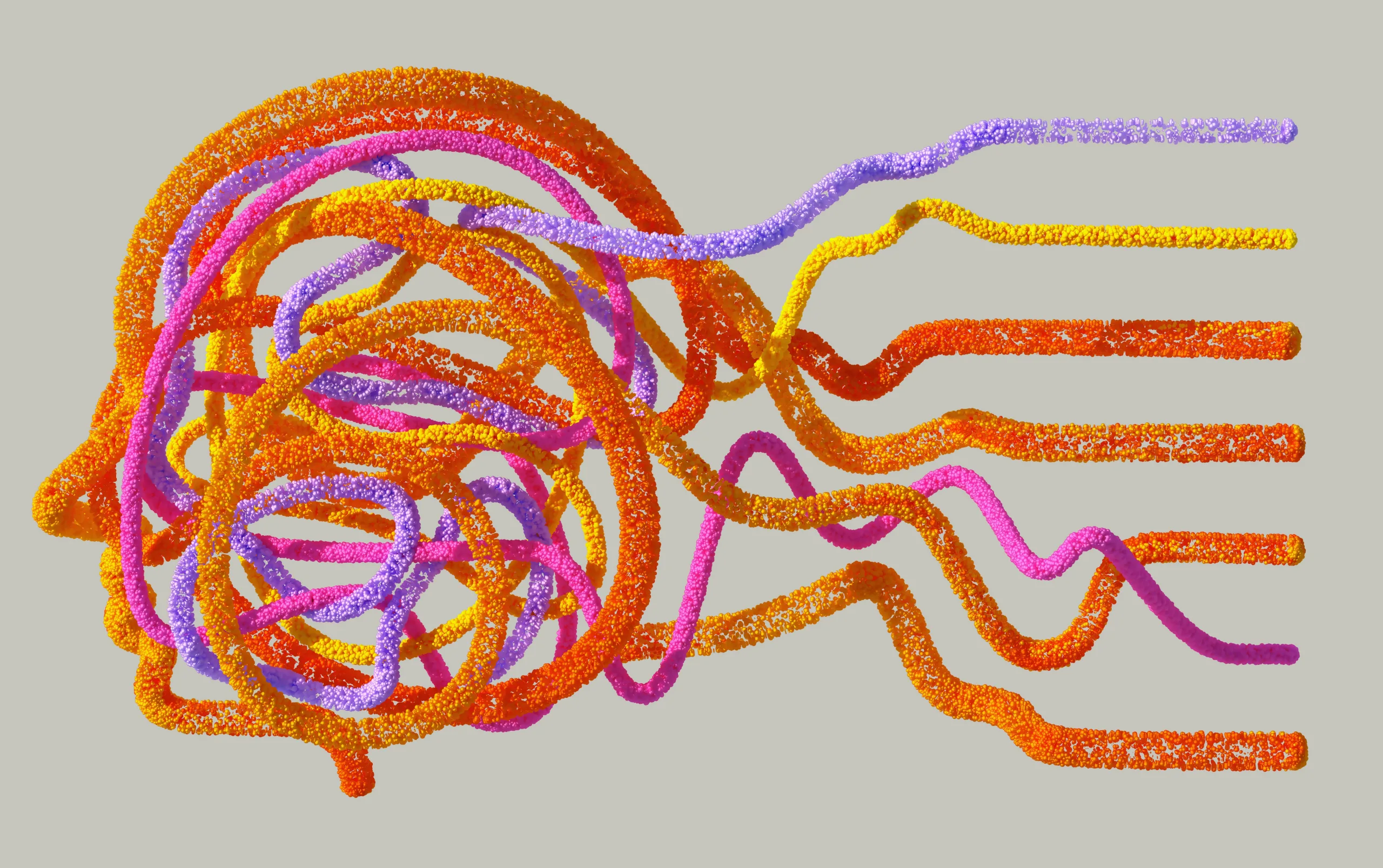
Neurodiversity refers to us at population-level.
All brains are different, everyone has different experiences, but some traits and behaviours are more common, or ‘typical’, while others ‘diverge’ from those norms.
An individual person cannot be ‘neurodiverse’.
They are neurotypical, or neurodivergent, and self-diagnosis is valid.
Often, neurodivergence is diagnosed or noticed according to how much it affects people other than the neurodivergent person themselves.
The traits most recognised are often trauma responses.
We also need to recognise and hold space for neurodivergent joy. Spinny, stimmy, special interest, deeply curious and creative joy.
Examples of ‘types’ of neurodivergence:
Click the ▼ on the right of the box for more information and an example of the expression for each type
Autism
A neurodevelopmental difference affecting communication, interaction and patterns of behaviour. A true ‘spectrum’ condition; if you’ve met one autistic person, you’ve met one autistic person!
Examples of autistic expression can be seen in atypical sensory responses, special interests, motor skills and communication, need for routine, logical thinking, socialising and daily living needs.
Also commonly referred to as Autism spectrum disorder (ASD) and Autistic spectrum condition (ASC)
ADHD (Attention-deficit/hyperactivity disorder)
A neurodevelopmental difference affecting focus and concentration, perception of time, priorities and deadlines, impulse control and
communication.
Examples of ADHD expression can be seen in time-blindness, hyper-focus or easy distraction, impulsivity, spontaneity and creativity, different approaches to task initiation and completion, and functional memory challenges.
Dyslexia
Categorised as a learning difficulty, Dyslexia presents as challenges with reading, spelling and the written word, and how they affect cognitive
processing.
Dyslexic expression can be seen in spelling, grammatical and syntax differences, academic struggles and organisational challenges.
Dyspraxia
A learning difficulty affecting motor/movement skills, coordination and organisation.
Dyspraxic expression can be seen in ‘clumsiness’, disorganisation, and differences with fine and global motor skills and spatial awareness.
Dyscalculia
A cognitive difference in understanding concepts and constructs of numbers, maths and computations.
Dyscalculic expression can be seen in difficulty with interpreting and recalling number systems or patterns, time-keeping and direction following.
Tourette’s Syndrome
A neurological condition affecting movement, vocalising and coordination.
Examples of Tourette’s expression are involuntary bodily or facial ‘tics’ or noises/words.
Neurodivergent conditions can co-exist within the same person, traits can be shared across
conditions and they often overlap. The existence of one does not preclude another.
While some forms of neurodivergence are more widely recognised than others, we should also consider all atypical presentations of developmental neurology in the light of neuro-affirming work.
For example:
- Mental Health conditions such as OCD,
- Chronic anxiety and depression
- Visual and perception processing conditions such as Irlen Syndrome,
- Sensory perception differences such as synaesthesia,
- Chronic neurological conditions like migraine,
- Acquired cognitive differences through stroke,
- Acquired brain injury,
- Foetal alcohol syndrome etc…
The Semantics
Person first or identity first ?
You may see or hear examples (often from neurotypical) of people suggesting ‘person-first’ language i.e. person ‘with’ autism, or ‘with’ dyslexia’ when referring to neurodivergent conditions.
Overwhelmingly though, neurodivergent folks prefer ‘identity-first’ language, i.e. autistic, dyslexic.
Neurodiversity is who we are, it is not ‘in addition’ to us, it is hard-wired, not an accessory or tragic accompaniment.
This becomes harder with descriptors like ADHD, because it makes less grammatical sense to say “I am ADHD” or “I am Tourette’s”, for example, but advocates worldwide are working on that!
Disorder or Condition ?
Typically, in the UK, a person will formally be diagnosed with, for example, ASD (Autism Spectrum Disorder) or ADHD (Attention Deficit Hyperactivity Disorder).
The neurodivergent community in general rejects the pathologising language of ‘disorder’ in what are very normal variations of human neurodevelopment.
Some prefer to swap out the ‘disorder’ for ‘condition’, while many ditch them both and advocate for simply being called ‘Autistic’.
In essence, neurodivergent folks of one type or another are not a monolith.
No one speaks for all, but neurodivergent people are the experts in their own experience.
Not the doctors, psychologists, teachers or scientists who are often given voice over and above lived experience.
Whatever the question, the answer lies in the community.
Sycamore is proud to be fostering a community of neurodivergent professionals and we’d love to talk to you about how you can be involved.