
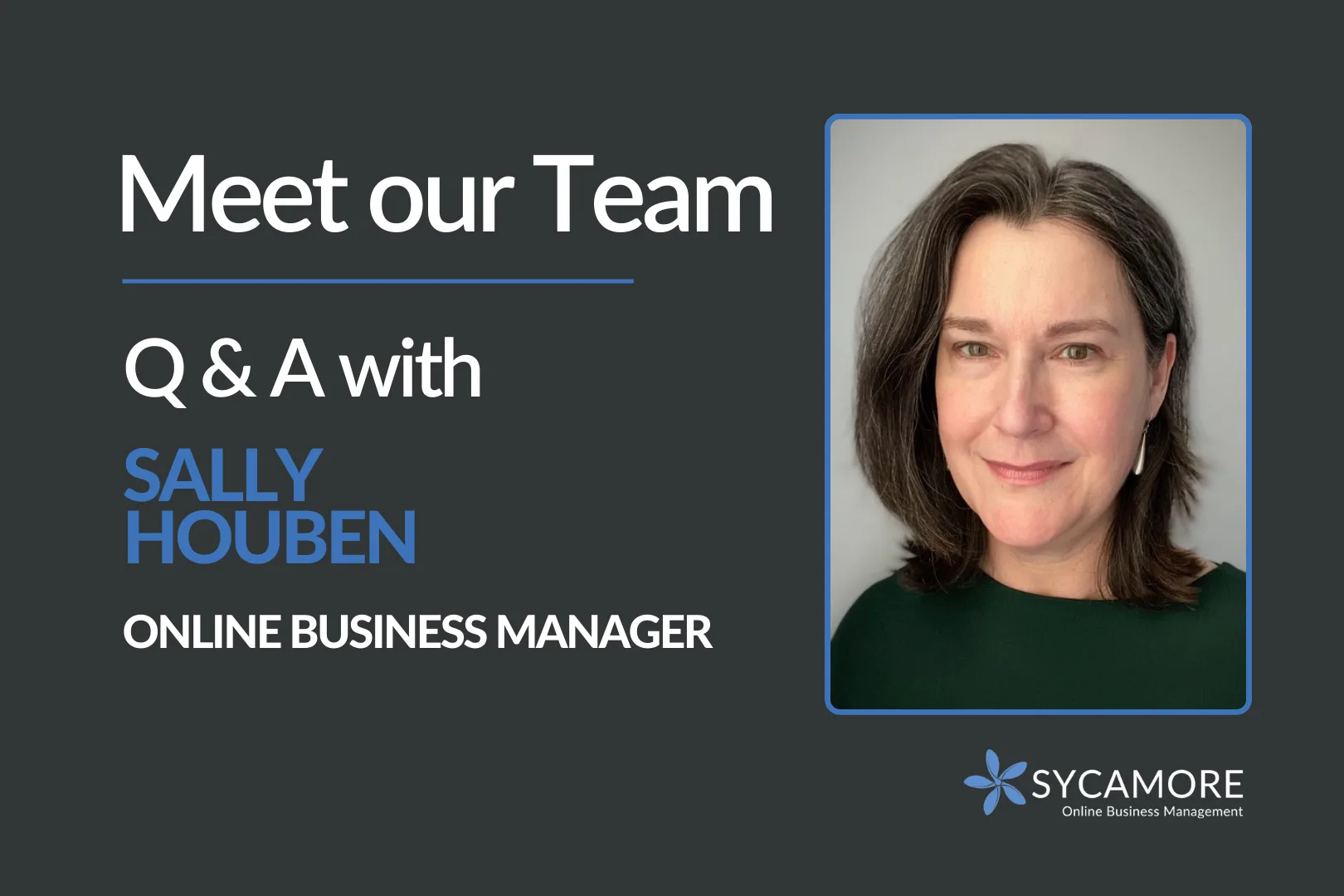
Every strong business needs a solid foundation. Sally Houben has spent 30 years building them, whether for senior leaders in sport, a bustling mail-order business in Germany or now, neurodivergent entrepreneurs at Sycamore. As an autistic individual, Sally understands that no two people work in quite the same way, and she thrives on creating systems that genuinely support the person using them.
She has a gift for spotting the “grunt work” that slows her clients down and transforming it into something manageable, freeing them up to focus on what they do best. Her approach is practical, steady and deeply human, making her a trusted partner for business owners who are ready to build operations that work with their brains, not against them.
In this Q&A, she shares why she enjoys the behind-the-scenes graft, how her “touch it once” philosophy keeps her organised, and why her downtime is powered by comedy, music and an undying loyalty to WilliamsF1.
Tell us a bit about your work history and how you came to be an OBM at Sycamore
I’ve been providing executive and operational support for 30 years. I started out supporting the secretariat in a psychiatric hospital and learnt very quickly that the bottom can fall out of anyone’s life at any moment. It was humbling. I then moved into sports, working closely with senior figures in international cricket, national motorsport and then F1.
I lived in Germany for a while, too; I had two young children at home and started an online mail-order company out of the cellar, posting British artisan cheese across five countries, before opening a bricks-and-mortar shop. It was smelly, but I loved it.
What do you love most about your role at Sycamore OBM?
When a neurodiverse adult has spent their lifetime muddling through as best they can, being reassured that “oh, but you’re managing fine, aren’t you?”, there is courage and vulnerability in admitting, ‘Hey, I need help’.
When I hear that someone has been in touch with Sycamore, a good chunk of the work is already done, in that they’re open to the process of support. Those who’ve reached out then let me into their business lives, and I get to be involved in disciplines and fields and specialities I’d never normally get to see.
It’s like having backstage passes to multiple fantastic gigs.
What are your favourite types of tasks or projects to get stuck into?
Anything that involves the grunt work.
If you’re an ‘ideas’ person, you will still need to lay decent administrative foundations and create systems and operating procedures that are going to work for you, not against you. If it’s too tedious, repetitive or boring, pass it over.
Are you neurodivergent yourself, or do you have close personal experience with neurodiversity?
I was diagnosed as autistic in my early 40s. It’s been a revelation allowing myself to rearrange the organisation and systems in my life to suit and benefit me, not others.
What’s one thing you wish more people understood about working with neurodivergent business owners?
When you’ve met one neurodivergent business owner, you’ve met one neurodivergent business owner. There is no off-the-shelf support solution, and help needs to be tailored to each client.
Farahar and Foster (2018) modelled an excellent visual depiction of how autism-ness fluctuates during a lifetime, and it makes sense that this would apply to all representations of neurodiversity. So many outside forces influence neurodiverse abilities on any given day.
Sycamore Team Member Edit: Click here to learn more about the Farahar and Foster (2018) model. We found it fascinating and, with two autistic family members in our house of different ages, remarkably accurate.
What’s your favourite tool, app or system for getting stuff done?
Monday works well with my brain, but to mangle an analogy, you have to kiss a lot of frogs before you find the right tool or app.
That, coupled with the Getting Things Done methodology, which is an oldie but goodie.
- Is it actionable?
- Does it take a single step to complete?
- Will it take more than two minutes?
- Does it need to be done by a specific time or date?
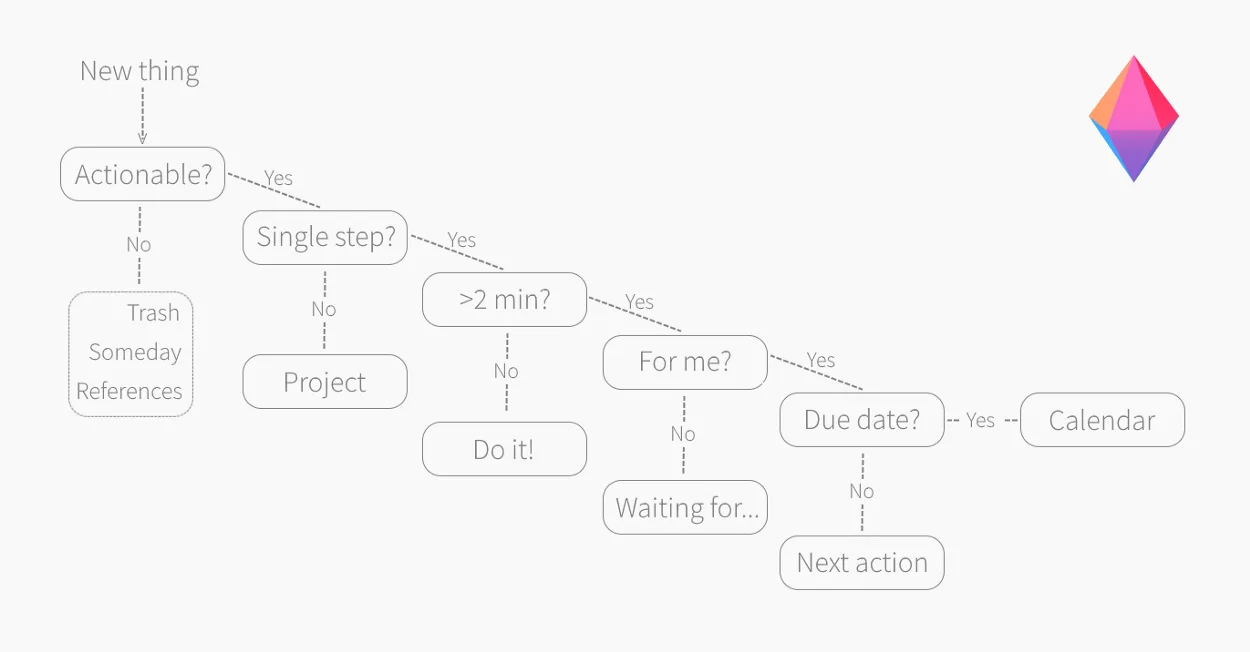
I started using this when it first came out a couple of decades ago, and the main ideas are that you Collect, Process, Organise, Plan and Do (they’re slightly different now to reflect the tech that’s now available to assist).
It worked well with my touch-it-once philosophy to physical in-trays and diaries on my desk.
When you’re not working, what do you enjoy doing to relax or recharge?
Music, comedy and sport are the soundtracks to my week. I find anything with a solid rhythm and decent bass fantastically regulating.
What’s your current hyperfocus, obsession or interest outside of work?
My weekend hyperfocus is F1’s timing pages. There’s so much data there. My fantasy F1 team stats are abysmal, though. I’m too sentimental. Gotta ❤️ WilliamsF1.
What’s your best tip for someone trying to build a business that works with their brain, not against it?
Acknowledge your weakness(es), outsource it. (them). Let them go.
Yes, you can learn to build a website, but you won’t have the inside know-how that systems builders have, and the energy you are expending on it can be best used elsewhere. Use others’ experience to benefit YOU.
What’s one word you’d use to describe working at Sycamore?
Neuro-affirming. Empowering.
Yes, I know that’s two, but it’s best practice to have a backup. Belts and braces.
Want to get to know more of the wonderful humans behind the work?
You can meet the full team here, and we’ll be back next month with another OBM Q&A.

0 Comments